Pair and set cover: when one lost piece devalues the whole set
A pair of vases, a diptych, a series of prints or a matching suite of furniture: losing a single piece often causes the value of the whole set to fall far beyond the missing item. The pair and set clause indemnifies this overall loss of value.
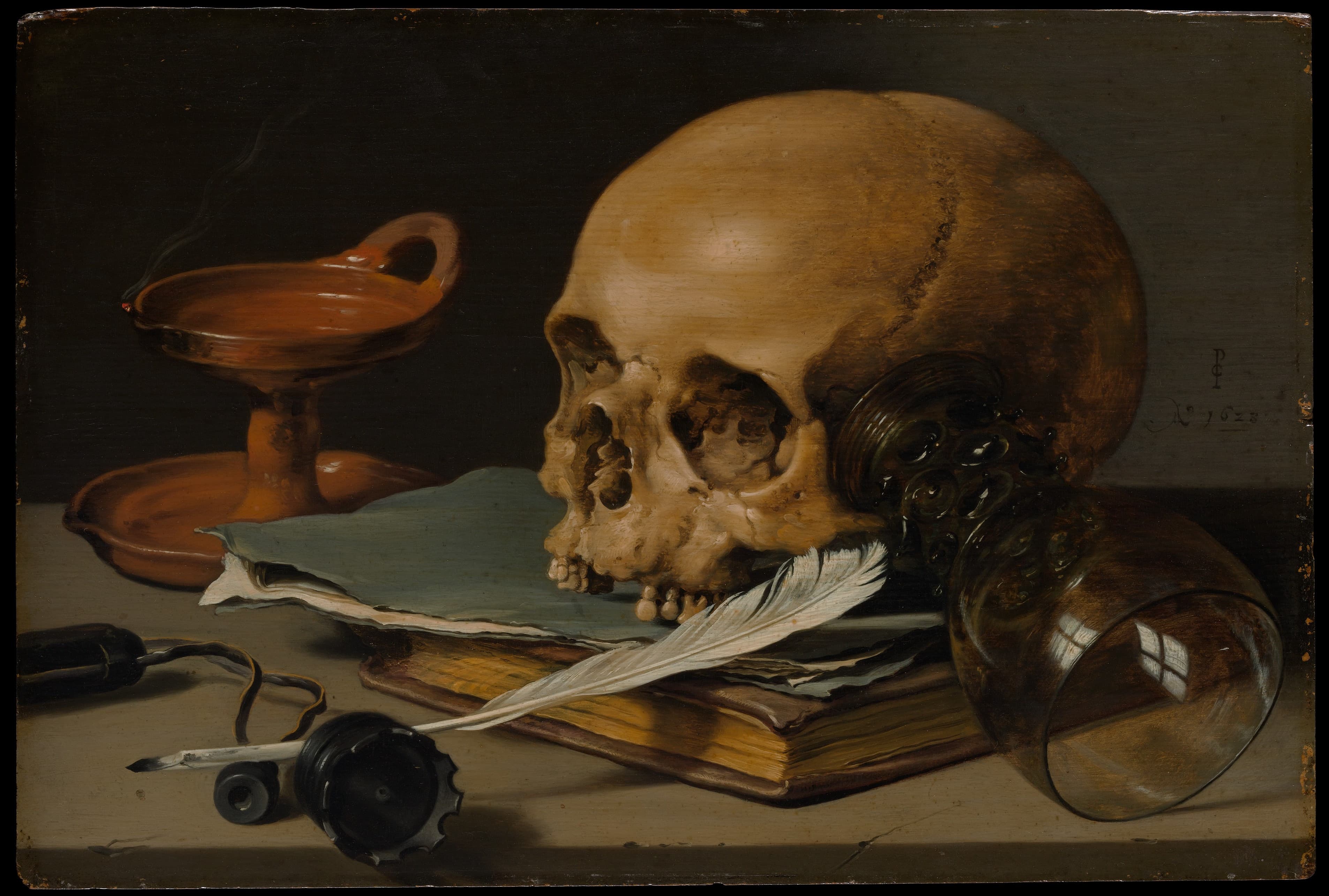
Why a set is worth more than its separate pieces
On the market for art and collectibles, the coherence of a set creates value. A pair of commodes, a diptych, a numbered series of prints or a garniture of vases are worth more together than the sum of their pieces taken separately.
The consequence: losing or destroying a single piece does not just cost the value of that piece. It devalues everything that remains, now incomplete and much harder to sell.
- The value of the damaged piece
- The discount suffered by the remaining pieces
- Pairs, series, sets, garnitures and services
- Option to hand over the set or keep it at a discount
- Pieces with no set link declared in the inventory
- A collection in the broad sense (pieces with their own value)
- Market depreciation without an insured loss
What the pair and set clause covers
The pair and set clause indemnifies this overall loss of value. Beyond the value of the damaged piece, it takes into account the discount suffered by the remaining pieces because the set is no longer complete.
Depending on the terms chosen in the policy, there are two options: either you keep the devalued set and receive an indemnity compensating the loss of value, or the insurer takes over the whole set in exchange for a full indemnity. This cover relies on the agreed value set at inception.
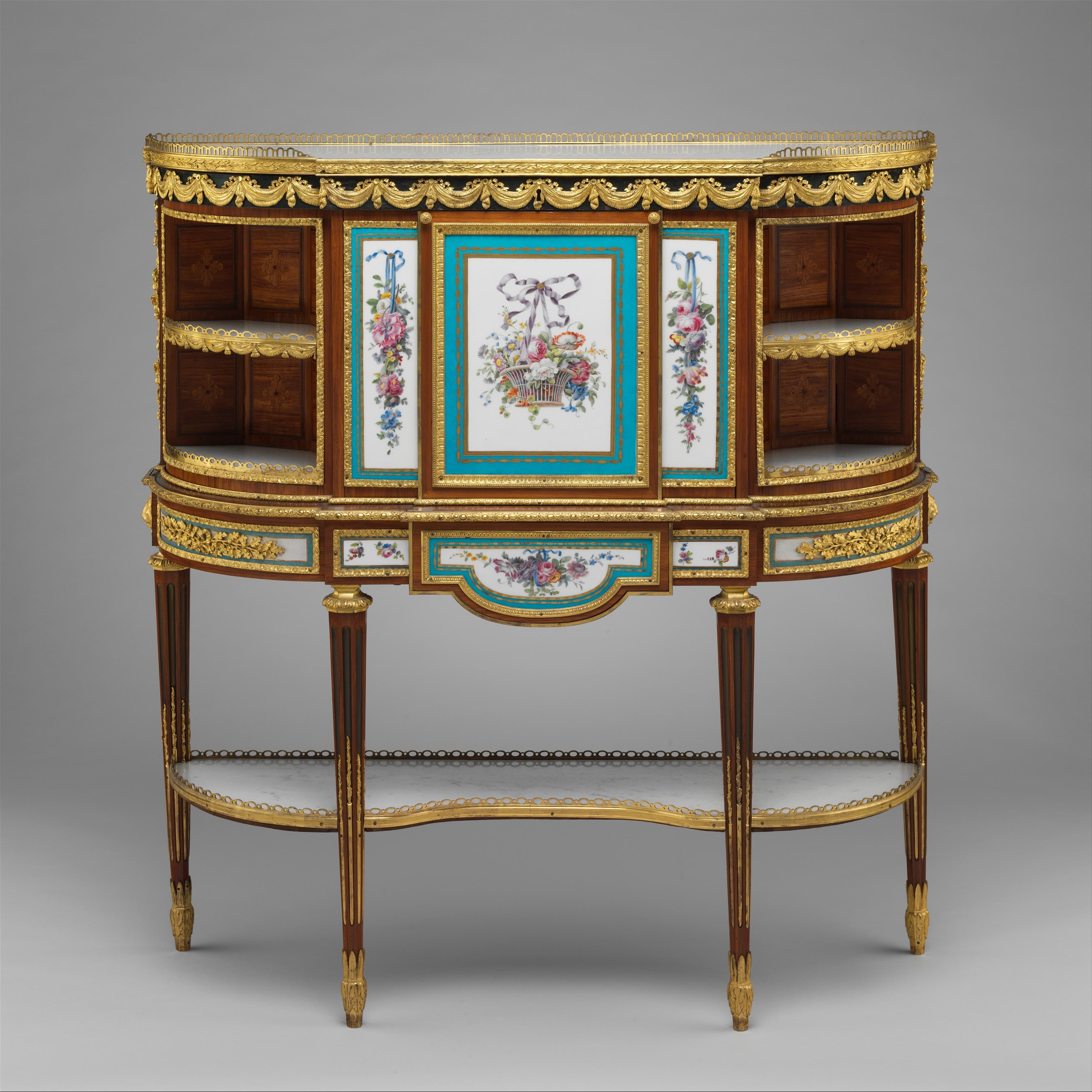
“Losing one piece often devalues the whole set — not just the missing item.”
Declaring sets in the inventory
For the clause to apply, the fact that a piece belongs to a pair or series must be recorded in the policy inventory. This is what makes it possible, in the event of a loss, to establish the value of the whole set and not only that of the damaged piece.
Collectors and galleries, who often handle coherent sets, have every interest in documenting these links precisely from inception.
A pair of vases is insured for €30,000 (€15,000 each). One is broken. On its own, the remaining vase is no longer worth €15,000 but €9,000, as the pair has been broken up. The pair and set clause indemnifies the actual loss — the value of the destroyed vase plus the discount on the surviving one — not just €15,000.